Norway Rat Identification Guide
Norway Rat Control from a Connecticut Team Serving Since 1992

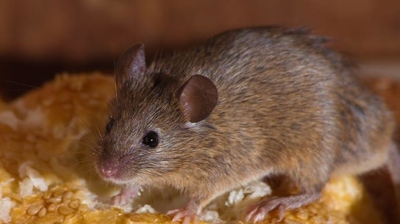
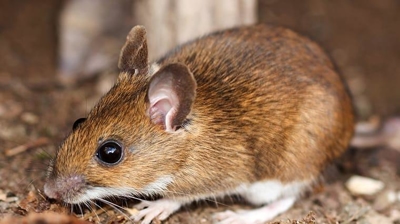
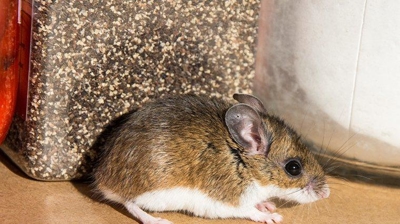
Norway rats are large rodents with brown or gray fur and large front teeth they use to gnaw through materials. They can grow to about 13 to 18 inches long from nose to tail yet still squeeze into holes as small as half an inch in diameter.
Norway rats can climb and may use trees near a roofline to reach upper areas of a home. From there, they may enter an attic through existing gaps or openings. Once a rat has found its way inside your home, others may follow. Norway rats depend on water to survive, so they may be drawn to bathrooms, kitchens, and areas with drainage or humidity issues.
They often follow travel routes along walls, fences, and utility lines, leaving rub marks and droppings behind. For effective rat control, New Haven property owners should consider both exterior and interior evidence to understand how rats may be moving around a property.
Found signs of rats in your home or business? Call us at (860) 544-5475 to discuss the evidence and your next steps.
Are Norway Rats Dangerous?
Beyond the risk of bites, rats can contaminate food and surfaces through their droppings, urine, nesting areas, and direct contact. Exposure risks depend on the species, conditions present, and how affected areas are handled.
Rats can also damage your property and belongings in ways that are not immediately obvious. Their constant gnawing can damage wooden framing, plastic pipes, insulation, and electrical wires, which may increase the risk of electrical issues.
Why Do I Have a Rat Problem?
Because Norway rats are nocturnal, you probably won’t see them active in your home. Instead, you may find droppings, greasy rub marks, gnaw marks, burrows, scratching sounds, disturbed food, or nesting material.
Accessible water and excess moisture may attract rats. Check your home for leaky pipes or faucets, standing water, and drains that aren’t working properly.
Food sources around your property can also attract rats and encourage them to stay. Unsecured trash cans, open compost piles, bird feeders, and pet food left outside can draw rodents to a property. Once they discover a reliable source of food and shelter, they may create burrows under sheds, decks, or concrete slabs and explore nearby structures for additional nesting spots.
Where Are Norway Rats Commonly Found?
Inspect pipes, flooring, electrical wiring, and drywall for gnaw marks, as well as sidewalks, decks, garages, sheds, and foundations for burrows. Holes in clothing or furniture and droppings in closets or pantries can also indicate rodent activity.
Because Norway rats often remain hidden, evidence may be easier to find than the animals themselves. Check kitchens, pantries, bathrooms, attics, basements, garages, crawl spaces, and areas around utility penetrations.
Outside, look for rat burrows beneath decks, sheds, slabs, foundations, and other protected structures. Interior and exterior evidence should be considered together because outdoor food sources, moisture, shelter, and rodent entry points can sustain indoor activity. A professional inspection for rat removal can identify the conditions that need attention.
-
“A+ Company”
“The gentleman who serviced our home was very prompt and explained everything that he was going to do and what to expect.”- Satisfied Customer -
“Highly Recommend!”
“The tech was fabulous. He called me before he arrived and let me know when he was outside the yard.”- Kathryn S. -
“A+ Experience”
“Excellent follow-through!”- Tamara S. -
“Professional Service”
“- Satisfied CustomerAndrew was very knowledgeable and took the time to answer my questions and make sure I understood everything he was doing and why.
” -
“Excellent Experience”
“CT Pest Elimination is a professional, knowledgeable, and courteous pest control company.”- Satisfied Customer -
“10/10 Recommend!”
“Sean from CT Pest Solutions was absolutely amazing. He was kind, professional, helpful, and most importantly resolved our issue.”- Samantha T.
Stay in the Know!
Read Our Latest Blog Posts
-
 How Does The Cooler Weather Affect Pest Control In New Haven?Read More
-
Why Carpenter Ants Invade New Haven HomesRead More
-
Has Wildlife Found Its Way Onto Your New Haven Property?Read More
-
Everything New Haven Homeowners Need To Know About German CockroachesRead More
-
What New Haven Property Owners Ought To Know About Yellow Jacket ControlRead More
-
Carpenter Ants: What You Should Know And Why You Should CareRead More
-
How To Keep The Nuisance Wildlife In New Haven At BayRead More
-
A Practical Guide To Carpenter Ant Control In New HavenRead More
-
The Problems Wildlife Can Bring to New Haven PropertiesRead More
-
The Dangers Cockroaches Bring To New Haven HomesRead More
-
Carpenter Ants In New Haven Can Be A Real Problem For HomeownersRead More
-
Commonly Told Myths About Bed Bugs In New HavenRead More
-
Hornet Infestations: The Dangers And How To Prevent Them In New HavenRead More
-
A Practical Guide To Dealing With Pharaoh Ants In New HavenRead More
-
A Handy Guide To Wildlife Control For New Haven Property OwnersRead More
-
The Easiest Way To Get Rid Of Rodents In Your New Haven HomeRead More
-
How Can I Tell If My New Haven Home Has Carpenter Ants?Read More
-
How To Keep Problematic Wasps Away From Your New Haven PropertyRead More
-
All You Need To Know About Bed BugsRead More
-
How A Tiny Mouse Can Cause Big Problems In Your New Haven HomeRead More
-
The Secret To Keeping Mice Out Of Your New Haven HomeRead More
-
How To Easily Deter Nuisance Wildlife In New HavenRead More
-
How To Protect Your New Haven Property From TermitesRead More
-
Are Cockroaches Invading Your Space?Read More
-
Tips To Avoid Thanksgiving Rodent Problems In StamfordRead More
-
Mice And Rats In Connecticut: How Do I Prevent Them?Read More
-
How To Spot Signs Of Termite Activity Around Your New Haven PropertyRead More
-
How To Keep Dangerous Wasps Out Of Your New Haven YardRead More
-
Help! I Am Struggling With A Termite Infestation In New HavenRead More
-
Rodent Rundown: Keeping These Dangerous Pests Away From Your New Haven PropertyRead More
-
The Easiest Way To Get Rid Of Ticks Around Your New Haven PropertyRead More
-
Winter Pest Outlook For New Haven ResidentsRead More
-
How Dangerous Are Wasps In New Haven, CT?Read More
-
New Haven's Complete Guide To Bed Bug IdentificationRead More
-
Don't Let Stinging Insects Ruin Your Fourth Of July!Read More
-
Mice Can Bring More Than Just A Headache To Your New Haven HomeRead More
-
A Helpful Guide To Paper Wasp ControlRead More
-
How To Identify And Get Rid Of Termites In Your New Haven HomeRead More
-
Why Are There Bed Bugs In My New Haven Home?Read More
-
Spring Pest Prevention 101: What Every New Haven Homeowner Needs To KnowRead More
-
How To Keep Termites Away From Your New Haven HomeRead More
-
The Truth About RodentsRead More
-
How To Deal With Ticks When You're OutsideRead More
-
What Everyone In New Haven Ought To Know About TicksRead More
-
Stinging Insects: The Do's And Don'tsRead More
-
Dealing With Nuisance Wildlife: Effective Strategies For Control And Prevention In New HavenRead More
-
Are Brown-Banded Cockroaches In New Haven Dangerous?Read More
-
How To Completely Eliminate A Cockroach Infestation In Your New Haven HomeRead More
-
Don't Let Stinging Insects Ruin Your Backyard Activities In New HavenRead More
-
Tick Prevention Tips Every New Haven Pet Owner Should KnowRead More
-
Don't Forget About Pest Control During The Winter Season In New HavenRead More
-
How To Stop Bed Bug Infestations Before They Even Begin In New HavenRead More
-
What You Should Know About Termite Season In New HavenRead More
-
Termite Season Is Upon Us In New HavenRead More
-
Protect Yourself & Those You Love From Ticks In New Haven, CTRead More
-
Top Ten Bed Bug Myths, DebunkedRead More
-
New Haven’s Step-By-Step Guide to Cockroach ControlRead More
-
A Guide To Effective Wildlife Control In New HavenRead More
-
New Haven’s Complete Guide To Effective Rodent ControlRead More
-
Beating Bed Bugs In New Haven: Strategies For Swift And Effective TreatmentRead More
-
Protecting Your New Haven Property From Winter PestsRead More